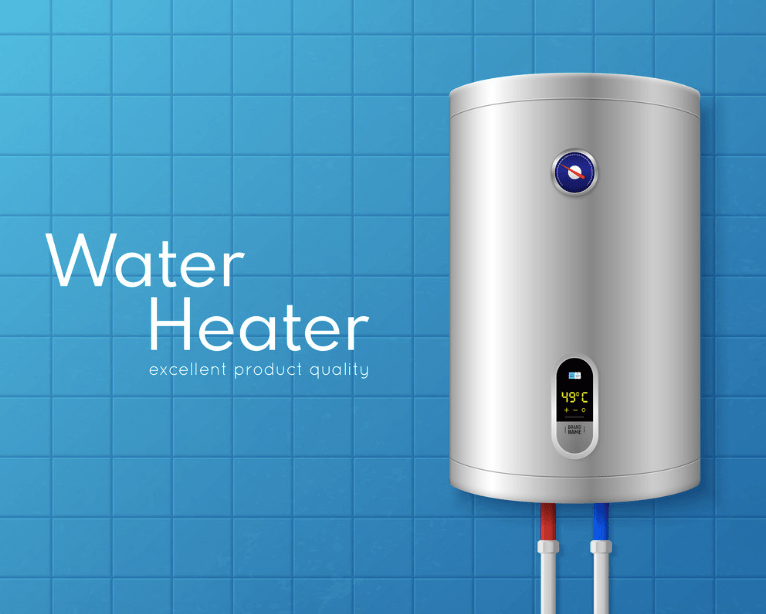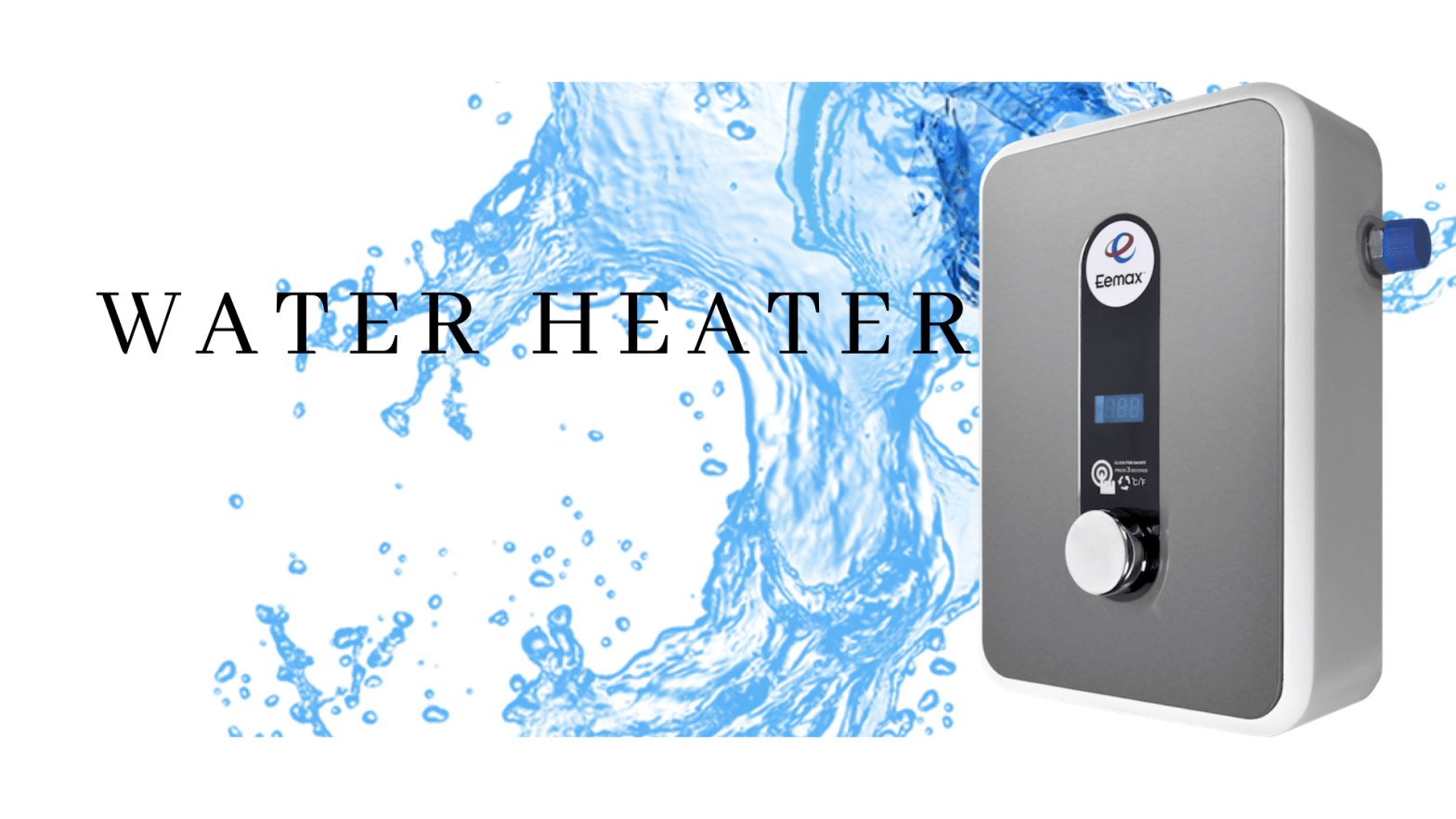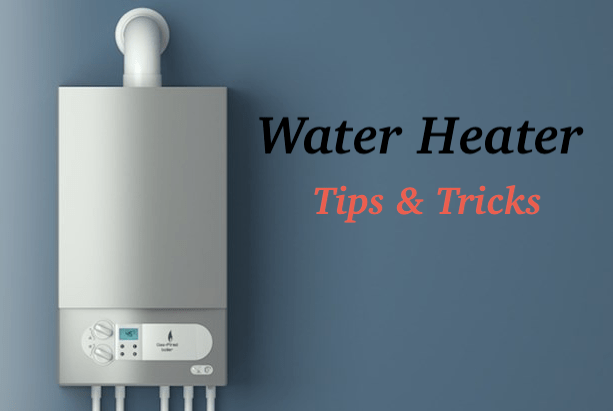
WATER HEATER TIPS AND TRICKS

Stop Being Soaked By Your Energy Bill

About 12% of your home’s total energy costs can be attributed to your hot water heater. The following article is designed to help you learn more about how your water heater works, and ways you can save money and conserve water.

Different Types of Water Heaters

Gas and oil heaters: Many older water heaters are powered by fuel oil or natural gas. They need a pilot light in order to work properly, so there is a significant danger of fire if flammable materials are placed too close to the unit. These heaters also need to be vented properly to prevent the build-up of potentially deadly fumes like carbon monoxide. While gas and oil heaters do a good job keeping your home supplied with hot water, they can be very expensive to operate, particularly with fuel costs continuing to rise.

Electric heaters: These units are generally energy efficient, easy to install, and because they don’t use flame and a combustible fuel they are safer than gas or oil powered heaters. Electric water heaters also require less maintenance than other heaters, so you will spend less on servicing the device over its lifetime. You also don’t need to worry about fuel or venting, which gives you more flexibility when planning where the heater will be installed.

There are different kinds of electric water heaters. Storage heaters work like a very big thermos; there is a large tank that holds hot water until you need it. You can choose from a wide range of sizes depending on your household needs. The majority of residential storage water heaters vary in size from 40 gallons to 100 gallons.

Heat pump water heaters can dramatically reduce your hot water heating costs, in some cases by as much as 50%. These heaters pull heat from the air and transfer it to the water stored in the tank. Though initially more expensive to install than other models, the energy savings more than cover the difference in just a few years’ time.

Solar heaters: Advances in solar technology have made solar-powered water geyser a realistic choice for many homeowners. Installation costs are high because you will need solar panels as well as a new heater system, but the overall energy savings are significant. Even better, solar water heaters use completely renewable energy and produce no greenhouse gases, making them much better for the environment.

How to Save on Hot Water

For most homes, 120º is as hot as water needs to be for comfortable showering and bathing, laundry and dish washing, and cleaning. Setting your heater no higher than 120º not only saves energy, but also prevents scalding.

Insulating your hot water pipes helps to prevent heat loss, and can help you save on energy bills. Be sure pipes are properly insulated, and you will see a difference in your next bill.

Repair hot water faucet leaks; just a single drip per second wastes as much as 200 gallons of water a year.

Turn the hot water off when shaving or doing dishes.

Set your washing machine to the cold cycle – your clothes will get just as clean, and you will save money.
Installing a Tankless Water Heater

Pros, Cons and Installation of Tankless Water Heaters

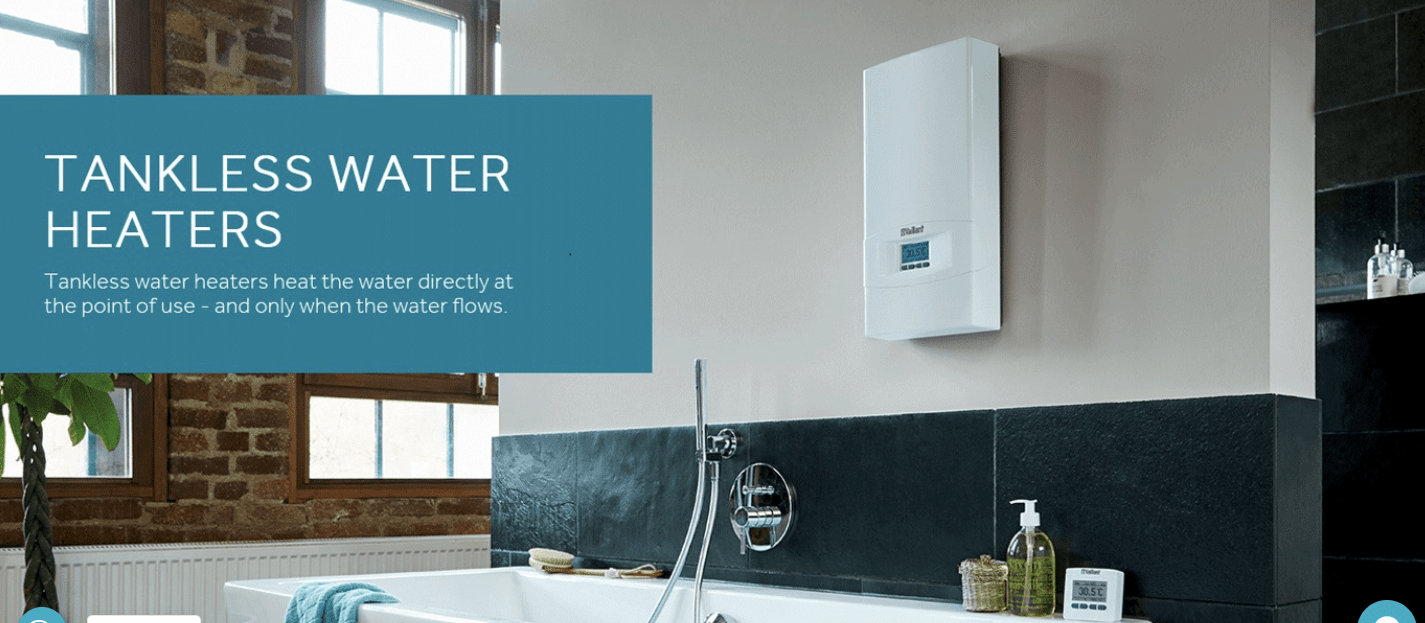
These days, “on-demand” is in demand, from movies and information to food and entertainment. The sentiment has also moved into the world of plumbing, where tankless water heaters have become popular for their ability to deliver hot water anytime it’s needed. Before you opt for a tankless unit, however, learn the pros, cons and installation considerations that come with these modern money-savers.

What Are The Pros and Cons?

Unlike traditional water heaters which heat water in a storage tank, tankless units provide hot water “on-demand,” or only as it’s needed. Because they heat water directly without a tank, they don’t produce the same standby energy losses associated with storage water heaters. When the hot water tap is activated, cold water travels through a pipe into the tankless unit, where either a gas or electric element delivers heat. As a result, tankless heaters are able to supply a constant stream of hot water.

While they can be much more expensive than traditional units, tankless water heaters do deliver big long-term savings. Because they use up to 30 to 50 percent less energy, tankless units can save an average family about $100 or more annually, depending on water usage.

In addition to high upfront costs, smaller tankless units don’t always deliver enough hot water to appliances and showers simultaneously. Because they have high-powered burners that require a dedicated, sealed vent system, most tankless units also require professional installation. That said, in addition to on-demand hot water and lower long-term energy costs, tankless water heaters also save space and offer longer warranties.

Installation 

While it is possible to install your own tankless water heater, it’s not a job for inexperienced do-it-yourselfers. There are a number of different sizes and styles of tankless water heaters, including propane, natural gas and electric, along with single-room or whole-house sized models. Since the typical tankless heater requires more gas than the largest residential furnaces, you will need to check with your local gas company for proper sizing of your gas main. You will need to know how to shut off the gas supply to the existing water heater and disconnect the tank without releasing gas. You will also need to pay someone to dispose of the existing tank properly.

Once you’re finally ready to install the new tankless unit, you will need to install the exact type of vent that your specific model requires. You may also need to wire in the new water heater unless you’re lucky enough to have a properly sized power source nearby. This will all require wiring expertise, along with plumbing experience. You may also need to upgrade your gas lines to accommodate increased demands. Many installations also require new water lines and pressure relief valve discharge lines that require soldering. Finally, you’ll need to make sure the entire installation meets building codes and that your homeowner’s insurance will cover any damage caused by potential mistakes.

With all this in mind, it’s generally better to let an expert install your tankless water geyser. Most dealers provide installation at discounted rates if you buy your unit through them. You may also be able to get an even lower price by calling professional plumbers or electricians in your area.

Want to protect your new tankless water heater? 2-10 HBW offers the most comprehensive coverage for homeowners. Let us help you get started with a Home Warranty today!

How to clean the scale of water heater?

We know that the kettle often boils water will appear scale, the water heater is also used to burn hot water, the scale in the kettle we can wash clean. But the water heater is not easy to clean. So how to remove the scale in the water heater? How do you clean the water heater? The following is to introduce how to clean and maintain the water heater and how to remove the scale from the water heater. For those users who don’t know about it, let’s find out about it.

How to clean and maintain the water heater?

1, external cleaning

When cleaning the external water heater, first cut off the power supply to prevent electric shock. Then use a wet cloth to dip in the cleaning agent and gently scrub the surface of the water heater.

2, Internal cleaning

When cleaning the tank of the water heater, turn off the power supply, then close the intake valve, open the outlet valve, remove the electric wall cover, open the intake valve, and flush the tank until clean water is discharged. Just do it.

How to remove the scale of the water geyser?

1, pull out the sewage outlet of the water heater, some dirty water will flow out.

2, change the connection of the two water inlets for a while, after opening the water valve, the water in the cold pipe goes directly into the water heater and rinse the water heater clean.

3, take out the heating rod, and then clean the scale on the heating rod.

How to remove the scale of the heating rod of the water heater?

1, use sharp-nosed pliers to remove the scale on the heating rod,

2, use scale removal powder to remove the scale.

3, soak the heating rod with rice vinegar, and then use a lot of water to clean the scale.

4, soaking the heating rod with white vinegar can also remove the scale of the heating rod. More than

Why Is There Water In My Water Heater Drain Pan?

We can think of six different reasons why water would be in the pan under your water heater:

The TPR valve (Temperature and Pressure Relief) is leaking. 

It’ s the device on the top or side of the water heater with a small flip-up arm that opens when the water temperature or pressure in the tank is too high. The valve releases water to avoid a disastrous tank explosion, and is a required component in every water geyser. A pipe runs from the TPR valve to within a few inches of the pan, and the valve may need to be replaced.
    A slow leak will only drip every so often, so you can feel inside the bottom of the TPR pipe with a finger to verify wetness. Sometimes the cause is that the valve was opened for testing and did not reseat properly after the test. You can flip the metal handle open for a couple of seconds and then release it again to see if the valve will reseat correctly when tried again. Be forewarned, though: it may just make the leak worse.

The TPR valve has opened because because of unsafe water temperature or pressure in tank.

This could be caused by a defective thermostat, or because mineral and crud buildup at the bottom of the tank of a gas water geyser has caused the water to boil beneath it. Some TPR valves have piping that bypasses the pan and runs to an exterior location instead. In that case, #1 and #2 are not the cause.

Leaking drain faucet at bottom of tank. 

This is the location where you connect a hose to drain the tank. It might have slow leak, so check the outlet with a finger for wetness.

Leaking around pipe connections to water heater. 

Check around where each of the pipes connect to the tank: hot, cold, TPR valve, and drain faucet. If it has been leaking for a while, there will be a rust-color drip stain running down from it.

Condensate dripping down the flue of a gas water geyser 

Tank is leaking due to deep corrosion. 

This is the worst-case scenario and means it is time to replace the water heater. Tanks rust from the inside-out, so there are often no early warning signs; but corrosion around the base of the tank, or a rusty wet stain under it without any drip stains down the side of the tank—like in the photo below, with the red light on the moisture meter indicating that the wood is soaked—are two signs of possible tank leakage.

Choose The Right Water Heater!

Water heater is a winter necessity and no one can deny this fact. They are one of the most used electrical appliances in a household during extreme weather conditions. With several electrical brands in the market with different types of water heaters, one tends to get confused with which water heater to pick. So let’s see, apart from heating water what other aspects one should look for in a water heater before buying it.

1. Need

The size and type of water heater depend on the amount of hot water required in your household. For example- for a household of 2-3 people, an instant water heater will be adequate, whereas, for more than 3 people, storage water heaters will be required. Also, buying a water heater according to your needs will keep electricity and water wastage in check.

2. Type

There are several types of water heaters such as storage tank, instant, and gas, etc. So, it’s important to have clarity about the type of water heater you want according to your requirements. 

3. Energy Efficiency

It’s very important to look for an energy-efficient water heater while buying. So before buying one, simply look for the *star rating label on the water heater. The most ‘energy-efficient’ heater will be with five stars. Also, compared to the traditional electric water heaters, the modern tankless water heaters are much more energy-efficient.   

4. Features

Features are equally important when considering buying a water heater. One must look for features such as automatic thermal cut-out, adjustable thermostat settings; safety valve for pressure release, glass coated heating element and rustproof outer body among main features of the heater. These features will help the water heater perform better and ensure longevity.

5. Warranty

Don’t overlook this factor when buying a water heater. It is advised to not just choose a water heater with the longest warranty period, but look for a warranty on the heating element and tank too while deciding. 

6. Safety

Better safe than sorry! Though water heaters are safe to use, there’s no harm in looking for safety when you’re buying the appliance. Check for the safety valve which opens to release pressure if the temperature gets too high. This is important to save the water heater from blowing up and causing harm.

These are some of the important points to consider before buying a water heater for your household. These points will help you in making the right choice. However, if you’re looking for a brand that offers the best water geysers in India, then you can go for Lazer India water geysers. Lazer India has an extensive range of water geysers fulfilling everyone’s requirements.

How to Maintain your Water Heater

Your water heater requires a little regular maintenance to run efficiently, effectively, and last longer. That’s because minerals and other sediment accumulate in water heaters, and this buildup means your water heater has to work harder to do its job.  It can even cause the tank to rust. But with a few steps and tasks you can help prevent these problems:

Adjust the thermostat to 120 degrees: 

At temperatures higher than this, even more minerals settle and form deposits. So keep it in the zone. And when you plan to leave for a few days, change the thermostat on gas water heaters to “vacation” setting, which maintains the pilot light without heating the water.

Flush the water heater tank: 

This should be done once or twice each year. Start by turning off the electricity or gas to the heater. Then, close the valve supplying cold water.  Connect a hose to the drain valve.  Open the hot handle of any faucet and safely drain the tank.  Once the tank is empty, close the drain valve and remove the hose.  Then, you should open the cold water supply.  Next, open the hot water faucets throughout your house one at a time, and wait until water flows out from them before restoring power to the heater.

Check the “sacrificial” anode rod: 

This is a long metal rod that attracts corrosive minerals and removes them from the system. Look closely for damage – if it is too corroded, it cannot do its job. Replacing the rod is much cheaper than buying a new water heater! Newer heaters made with a plastic versus metal lining may not have this rod.  

Test the temperature and pressure relief valve: 

This valve is built to open automatically if pressure or the temperature inside the tank rises to dangerous levels.  A buildup of minerals or corrosion could cause this valve to freeze, however.  To check the valve, turn off the electricity or gas to the heater, and close the cold water supply valve.  Lift the trip lever on the valve, and expect some water to discharge.  If the valve does not release some water, that means that it should be replaced.  

Consider a water softener or filtration system:

Installing either of these will not only affect the quality of your home’s water, but it will also increase the life of your water heater – making a multi-purpose, multi-benefit investment.

While your owner’s manual can step you through all of these maintenance tasks for your water geyser, it is often best to hire a professional technician to handle annual maintenance needs and potential repairs. This will ensure the job is completed fully, safely and properly. And that your water heater runs in tip-top shape all season, and year, long.

Room Heater Buying Guide – India 2020

Winter, this season is recognized for its white elegance and cruelty. It’s a season which is romantic for a number of people, though the majority of people dread this season with the shiver it creates right down to the bone. All time people need to remain in the couch of theirs and under the covers of theirs. Even they can’t move freely in the personal home of theirs for the bitterness of cold weather. In the road of scientific development, now there’s a chance of saving yourself in the freezing cold and being cozy at least at the own home of yours or perhaps workplace. Space heater is the present from science for those that are afflicted by cold in winter months. Try out our Room Heater selector to decide room heater that is best by responding to questions that are simple without reading some buying guide.

Kinds of space heaters Room heaters may also be recognized as space heaters. In case you choose to get an area heater, the first crucial work will be to investigate. There are a variety of space heaters offered within the marketplace and also vary in design, style, price along with numerous other features. Room heaters are classified into 3 main groups depending on the technique for heating or maybe heating technology. Each kind of space heater also called by many labels as well. It crate a lot of confusion in case you are going to buy the matching space heater.

Blower heaters
(also recognized as Ceramic heater, Blower room, Convection room heaters heaters)
Infrared heaters
(also identified as Halogen, Radiant room, Quartz heaters)
Oil filled room heaters
(also recognized as Oil heaters, Oil filled space heaters)
Fan heaters This’s the type of heater that’s possible for heating a quite big space in a short period. Ceramic coil heats the warm air around it, thus the convection heater quickly produces heat and is good to touch. This heater has a fan that is going to blow out the hot air and therefore it’ll maintain living room hot. A convection space heater is not costly which uses less power, therefore it can certainly be helpful in term of cost as well. They’re sometimes known as ceramic heater, convection heater or maybe blower space heaters.

Best lover heaters
Orpat Oeh 1220 Fan Room Heater
Orpat OEH 1250 Fan Room Heater
Usha Hc 812 T Thermo Fan Room Heater
Orpat OEH – 1260 Fan Room Heater
Bajaj Majesty RX fourteen Wall Mount Heat Convector Fan Room Heater
Usha FH 3212 C Fan Room Heater
Usha 3213 H PTC Fan Room Heater
Infrared heaters Radiant space heater is perhaps the cheapest heater which functions as a campfire and also offers heat to its close locations only. So it’s beneficial for small spaces or single person. This heater doesn’t have fans, therefore it’s not loud. Besides, it heats up rapidly and uses less electricity. Its only defect is it’s not enough for rooms that are big or maybe more peoples and not kid safe. Its surface heats up a lot. These’re also referred to as Halogen, Quartz, Infrared based space heaters.

Best infrared heaters
Bajaj Flashy Radiant space heater
Usha 3002 QH Halogen Room Heater
Orpat ORH 1410 Radiant Room Heater
Bajaj RHX two Halogen Room Heater
Orpat OQH 1230 800-Watt Quartz Heater
Oil filled space heaters Oil filled radiators are among the very best heaters, although take longer time being heated, are good also. Because they offer heat for a very long time even with the heater is switched off. It’s additionally not loud like the ceramic convection heater.

Oil filled room heaters eat significantly less power. They’re helpful for power saving. As oil is utilized as heat reservoir, even though you switch from the heater still space is going to be hot. Oil filled space heaters neither burn oxygen and neither lessen humidity making the best option for new born infants. In this regard they’re good options as it will not cause dry eyes or any suffocation, skin rashes.

Despite the myth there’s absolutely no burning of oil is needed in oil based space heater. The energy is consumed to heat up the oil, then the heating is transferred to metallic wall space through convection. Please check our content Oil Filled Room Heater pros and cons before purchasing a room heater.

Best oil filled space heaters
Bajaj Majesty RH 11F 2900W Room Heater
Morphy Richards OFR13F 13Fin Oil Filled Room Heater
Crompton Greaves CG ORH3 Room Heater
Usha OFR 3209F Oil Filled Room Heater Here’s the fast comparison of space heaters. Read our content Room Heater kinds as well as comparison to know much more.

Gas vs. Electric: Which Water Heater is Best for Your Home?

When it comes to water heaters, there are more options than you may think.

You can choose from tank or tankless models, various sizes, efficiencies in heating water, and of course, different energy types. One of the main decisions to make when choosing a water heater for your home is whether to use gas or electricity for energy, but there are several factors that contribute to making this choice.

Types and Efficiency of Tank Water Heaters

Despite their size, tank water heaters are still the most popular option. While tankless versions have their benefits, tank water heaters can offer access to more hot water for large homes or families and are usually less expensive to buy. Tank models come in standard and high-efficiency options, both available in gas and electric.

  • Standard tank water heaters are the least expensive water heaters to buy, ranging from 20 to 80-gallon tanks and various levels of efficiency for first-hour heating. Gas models are slightly more expensive to buy but make up the difference in energy efficiency.
  • High-Efficiency tank water heaters. High-efficiency, HE, water heaters are usually Energy Star certified and can outperform standard tank water heaters. However, most of these are gas, unless you choose an electric heat pump or hybrid model.

There are more gas water heater options available

When it comes to shopping for an efficient storage tank water heater, there are more gas model options available. Gas water heaters make up about 60% of the water heaters in homes. In standard tank models, gas versions will save you money on your energy bills. With HE tanks, gas is still a good choice, but if you live in the right climate, a heat pump electric model can save about 65% on energy over standard electric water heaters.

Heat pump electric water heaters are the most efficient option for tank electric models

However, they do have a few drawbacks. They need more space and require the right climate—usually a mild climate with temperatures ranging between 40-90 degrees (which makes them perfect for Arizona). However, if you prefer to use electricity or it is the only energy source in your home, these can save up to $3,000 in energy costs over the lifespan.

Whether you choose electric or gas water heater for the tank model, both the energy factor (EF) and first-hour rating (FHR) are important in both efficiency and function. The higher the number in both gives you more efficiency or more gallons of hot water per hour. The FHR can be more important than the size of the tank. For example, an 80-gallon tank that only gives you a 20-30-gallon FHR may not be enough hot water to get through busy shower times. It is better to have a higher FHR than a large tank size, but large homes may need both.

Tankless Water Heater Options

Tankless or on-demand water heaters give you the option to ditch the storage tank and heat your home’s water as needed. Compared to heating water around the clock in a storage tank, heating on-demand is more efficient. Both electric and gas tankless models will save you in energy costs for heating water in your home. Plus, they tend to have longer lifespans, use much less space, and there is not a concern about leaks from a large storage tank of water.

However, with the benefits come some drawbacks. Tankless water heaters are more expensive to buy and may not be the best option for large families. The on-demand feature is efficient, but when two, three, or more areas in the home need hot water at the same time, tankless models can have difficulty keeping up with use. Those who want to go tankless with larger homes or families may need to invest in more than one tankless model to handle the higher use times.

With tankless water heaters, gas-fired heaters offer a fast flow rate, but lose efficiency over electric due to the constant pilot light. You may be able to get more hot water at once with gas, but you will not get the energy savings you will with electric.

Still Confused on Which is Better for Your Home?

If you have gas available for energy use and are inclined to buy a tank water heater, this may be the best option. Gas tank models come in high-efficiency and Energy Star options, plus have the advantage of supplying hot water even if the power goes out. However, electric may be best if you want to go tankless or have the option to use a heat pump model.

To learn more about the options and prices available on new water geyser for your home, contact us at Mason Mechanical. We offer professional installation of gas, electric, and hybrid water heater. Call for a quote to learn more about your options and find the best water heater for your home in the Mesa area.

It’s Getting Hot in Here: Room Heater Safety

Most of us have heard that room heaters are one of the most dangerous items in your house. But many people pull out a portable heater at some point during the winter, especially in houses that are older and drafty. 

So if you’re going to use a space heater, what should you know to keep you and your loved ones safe? And why are Room heaters so dangerous in the first place?

Why Are Space Heaters Dangerous?

The biggest threat associated with Room heaters is fire. In fact, each year space heaters are responsible for about 55,000 fires, 450 deaths, and over 1,500 injuries. However, there are a number of other ways that space heaters can lead to accidents and injuries:

  • Like any electrical device, they pose a shock hazard.
  • Space heaters use a lot of electricity. They can easily overload circuits, causing a power failure or fire.
  • Some parts of the heater can become really hot. Children and pets are especially vulnerable to getting burned, but adults can also accidentally brush up against the hot surface. It’s also possible for clothes to catch on fire.
  • Some Room heaters, especially taller ones, can tip over, posing a fire hazard.

Room Heater Safety Tips

If you’re going to use a Room heater, there are a few things you can do to make sure it’s as safe as possible. 

  • Never leave pets and young children alone in a room with a Room heater.
  • Buy a Room heater that has a guard around the heating element. This will help keep kids and pets safe from burns.
  • Choose one that’s tested and certified by a nationally recognized testing laboratory. Not only do they meet certain safety standards, but manufacturers have to provide use and care information to consumers. 
  • Never leave a space heater turned on when you leave the house or go to sleep. Dangerous levels of carbon monoxide can form if you’re using a fuel-fired heater, and a fire can start if you’re using an electric model.
  • Don’t run several appliances at the same time if you’re using a space heater. In addition, don’t use extension cords with them. This will help avoid a circuit overload.
  • Check your heaters regularly – look for frayed wires and remove dust accumulation on grates, grills, coils, and other elements of the heater. All of these are a fire hazard. 
  • To help prevent shocks, avoid using in rooms where spills and moisture build-ups are likely, such as bathrooms and kitchens.
  • If you have an older model, consider getting a newer one that most likely has improved safety features.

Not Every Product is Safe

Accidents happen, and sometimes everyday products turn dangerous. There are steps you can take to help keep everyone if your house safe, but some things are out of your control. Manufacturers have a responsibility to protect consumers, and it’s important to understand your rights.

COMMON WATER HEATER FAILURES DURING FALL & WINTER

Can Cold Weather Affect My Water Heater?

When ground temperatures plummet in the colder months, the water entering your home can get up to 25 degrees colder. This means your water heater has to work harder than usual. Ironically, this is also the time of year when we want to pump more hot water into our sinks, tubs, and showers. With all this activity, underlying issues start to rear their ugly heads.

A bad winter storm, a faulty part, or sediment build-up can wreak havoc on your water heater. That’s why it’s important to ask a Las Vegas plumber to inspect your water heater before the cold weather sets in. Let’s see what all this means.

COMMON WATER HEATER PROBLEMS DURING COLD WEATHER

  • Faulty Parts – If you have a gas water heater, it’s important to keep an eye on the pilot, thermocouple, and pilot control valve. In electric water heaters, it’s important to inspect the thermostat and heating elements. A licensed plumber will be able to assess all this and more. For example, they’ll know if it’s necessary to adjust the thermocouple or replace the pilot control valve in a gas water heater. Likewise, they’ll be able to take a closer look at your thermostat and heating elements in an electric water heater.
  • Lack of Insulation – While we know it’s important to insulate our pipes from the cold, water heaters also need protection. Neoprene foam is the most common insulation material for electric water heaters. Gas water heaters do well with a fiberglass wrap secured by aluminum foil tape or wire. While insulation reduces the loss of heat, it can also raise the temperature of the water by two to four degrees. This could shorten your wait time for hot water and conserve more energy.
  • Sediment & Mineral Build Up – Sediment and minerals tend to deposit on the bottom of water heaters. This is a problem because they suck the heat out of the warm water that was just produced.You know what that means. More energy is being consumed and you could lose some of your hot water. It’s so important to have all the scale, corrosion, and sediment removed from your water heater, especially before it’s about to work its hardest. If you haven’t already done so, you should flush your water heater regularly to prevent damage.
  • Temperature -Finally, we all have to keep an eye on the temperature of our electric electric geyser. It should never rise above 120 degrees. Anything higher can cause electrodes to degrade and scales to fall into the water. This will make the water more acidic, eventually eating away at the anodes protecting your water geyser walls. A plumber will be able to see if this is happening and, if necessary, replace the deteriorated anodes.

Design a site like this with WordPress.com
Get started