Is Your Water Heater Well Maintained?

Having hot water in our homes whenever we need it is definitely a luxury many of us wouldn’t want to live without. That’s why it’s important to ensure our water heaters are regularly maintained to safely provide hot water on demand.

As a homeowner, the first thing you want to do is visually inspect your water heater to ensure there are no dents or other damage, and that it’s level. These are two key checks that can help keep your hot water tank running safely and efficiently. Dents on the outside usually lead to issues within the system, so it’s best to replace the tank if you can see any damage. And leveling the unit will help ensure all components within are operating properly.

There are two safety features on your water heater that are especially important to check on a regular basis. This includes the temperature relief valve and the anti-corrosion rod.

Temperature pressure relief valve

There should be a three-quarter-inch pipe extending from the valve and terminating within six inches of the ground. This is a safety device built into your hot water tank so, if it’s missing, you’ll want to ensure it’s replaced ASAP. It’s a cheap fix too. You can visit pretty much any hardware store and purchase copper pipe or high-temperature rated PVC plastic designed for your water heater.

Anti-corrosion rod

Blog Image Sept Oct

Designed to ensure water circulating through a hot water system doesn’t corrode the tank itself, the anti-corrosion or ‘sacrificial’ rod will extend the life of your water heater and help prevent corrosion issues from making the tank unsafe. geyser have a constant supply of fresh water that contain a lot of corrosion-causing oxygen. The rod is immersed inside the water heater tank, allowing the chemical reaction from the fresh water to attack it rather than the actual tank. In some areas of the country – especially where wells are common – rods are replaced regularly. Rods should be changed out whenever you notice any corrosion occurring.

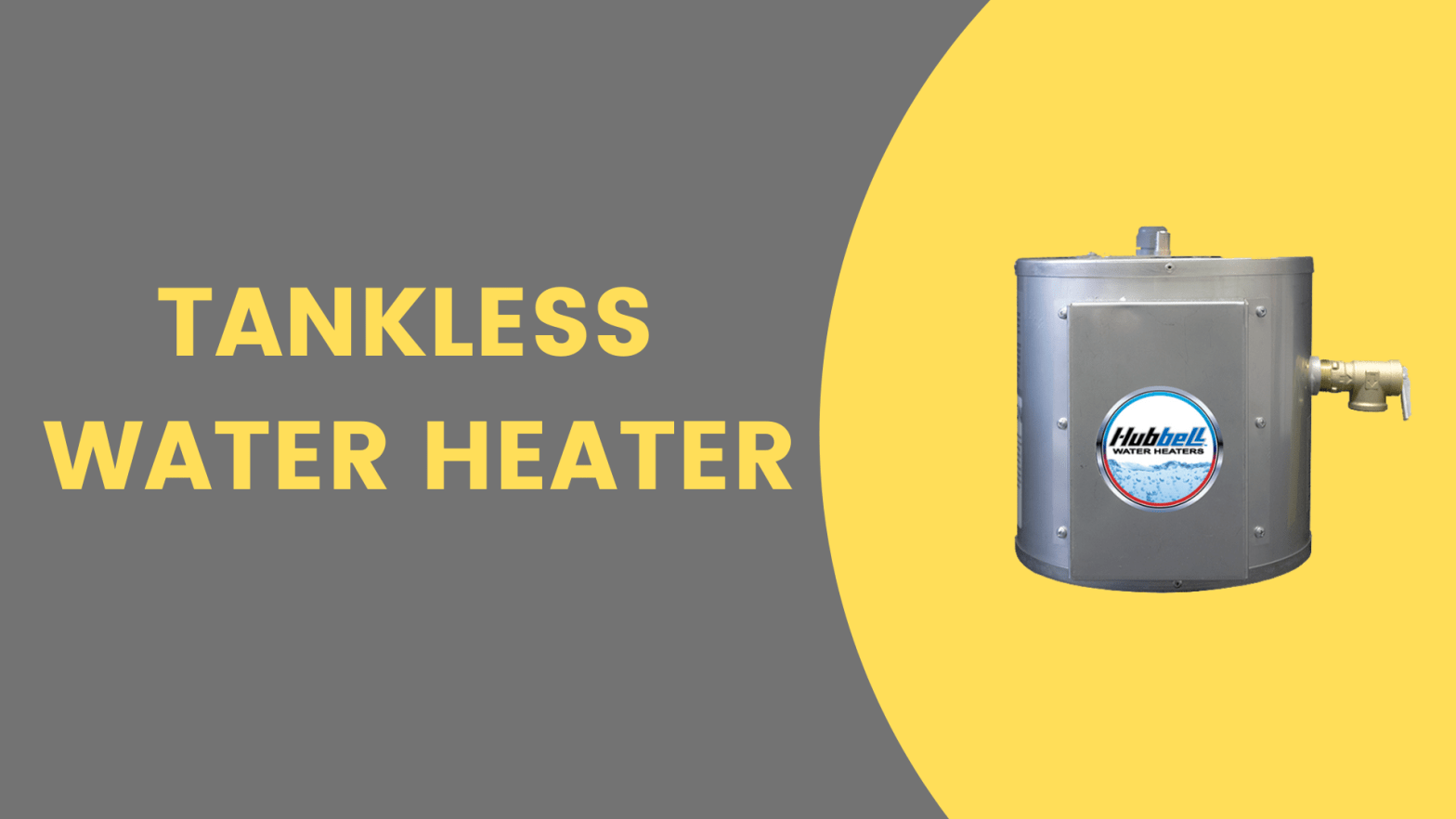
WHY YOU SHOULD SWITCH TO A TANKLESS WATER HEATER

As a responsible homeowner interested in saving money and preserving the planet, you might be interested in installing a tankless water heater. Traditional storage tank water heaters are bulky, don’t provide a continuous supply of hot water, and consume a lot of energy. What’s more: they corrode or develop other problems after approximately ten years, even if they are well maintained. It’s only logical to look for a greener, more cost-effective solution.

Tank vs. Tankless Water Heaters

If your old water heater isn’t working properly, taking a tepid or cold shower on a dark winter morning sounds like the opposite of an enjoyable way to start your day. But let’s be honest—that kind of Spartan awakening, though it might chase the sleep out of your mind, isn’t what you want! You want to be able to take a hot bath or shower whenever you like. You want to be able to wash your hands with hot water in the kitchen. In short, you don’t want to have to worry about where the hot water is coming from.

The benefits of tankless water heaters include:
  • Hot Water on Demand – Unlike a storage tank water heater where you have to wait for the tank to be filled, a tankless appliance heats the water as it’s delivered to the point of use. It’s that simple… and very effective!
  • Energy Efficiency – Because there’s no tank full of water that has to remain heated all day long, a tankless water heater is more energy efficient—and that means lower energy bills!
  • Longer Lifespan – Invest in a tankless appliance now, and assuming you maintain it properly, you won’t need to replace it for 20 years. That’s seven years longer than a regular water heater! If you have a big home with an even bigger family, you need a water heater that can last you a long time before having to consider repair or replacement. Tank water heaters will eventually suffer from cracks and leaks once they reach a certain age and waste water.
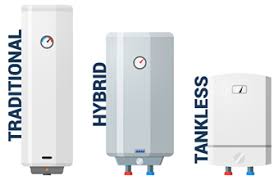
  • They Take up Less Room – Tankless water heaters are compact. Since they don’t need a storage tank, tankless models have smaller dimensions. To gain an impression of the size difference, you can compare a tank model with a fridge and a tankless model with a desktop computer. Clearly, going tankless means you’ll need less room to house your appliance.

WHEN ARE CONVENTIONAL WATER HEATERS BETTER?

There are two minor drawbacks to tankless water heaters. First, the sticker price is higher than that of a tank water heater. Although conventional water heaters cost more than tankless water heaters, tankless water heaters will save you money on your utility bills each month. At Precision Plumbing Sewer Drain Cleaning, we understand that our customers come from different financial situations and sometimes need a water heater known for cost-efficiency. We will help you choose what type of water heater is the best choice for your personal needs. Secondly, the flow rate of hot water can be smaller than that of a conventional model. Fortunately, you can remedy this by installing a second appliance specifically for household appliances that use hot water.

PRECISION HELPS YOU MAKE THE RIGHT DECISION

If you’re excited about making the switch to a tankless geyser but don’t know what type is best for your home, call Precision Plumbing Sewer Drain Cleaning. We’ll assess your household’s needs and advise you on the most cost-effective option. Plus, we can remove your old water heater and install the new one with the minimum amount of hassle. Don’t settle for anything but the best!

HOW TO SELECT A ROOM HEATER

Room heaters are essential appliances for winters, especially in northern parts of India where warm clothes are not enough to beat the chilly winds. But, selecting the right heater for your home and office can be a confusing task due to the variety of options available in the market. We are trying here to help you choose the right type of room heater as per your requirement.

FEATURES TO LOOK OUT IN A ROOM HEATER:

Size & type: Room heaters come in a variety of sizes and types. So you must check the same and get one depending upon the need.

Heat settings: Multiple heat settings adds to the functionality of the appliance. Adjustable temperature control helps in setting the heat as desired.

Safety: Especially for the people having kids at home, safety is the most important aspect. Look for heaters having a thermostat, safety tip-over switch, wire mesh and other features for protection against unwanted hazards.

Portability: Room heaters are generally portable and can be carried from one room to another easily. So, opt for the one having wheels and handle for convenient operation.

Noise levels: The noise generated from the room heater cannot be ignored. But it also depends upon the type of heater being used. Like an OFR (Oil Filled Radiator) heater works silently and does not create noise but on the other hand, a fan heater/ convector has that air cutting noise.

Oxygen depletion: Most of the direct heating heaters lead to a reduction in oxygen and humidity levels. It is very critical factor to be considered when having newborn babies at home. OFR heaters do not cause such problems as they make the given surroundings warm by heating the oil running in the fins and indirectly heating the atmosphere.

There are some more aspects like room size, cord length, plug type, etc. that you may check while buying a room heater for your home. For better understanding, we have divided the type of room heaters in four categories.

TYPES OF ROOM HEATERS

Oil-filled radiator heaters: These heaters do not cause oxygen depletion and warm up the surroundings evenly. OFR heaters do not become as hot as electric heaters and consume less power. Glen OFR heaters give sunlight feel and have overheating protection. They are available in 3 sizes having 9 (2400W), 11(2900W), 13 fins(2900W).

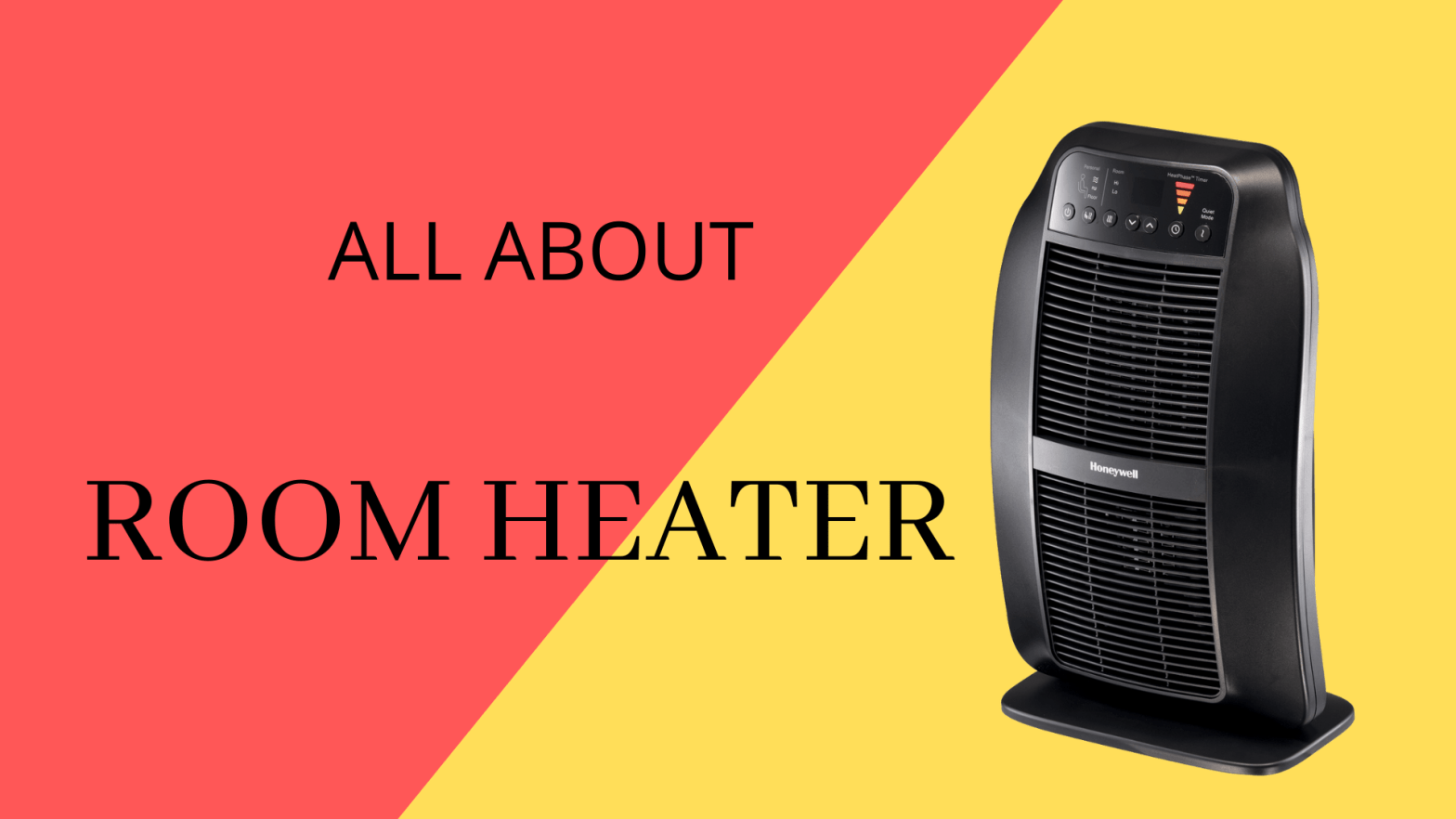
Fan heaters: These are compact heaters and can warm up the given surroundings in a short time. Equipped with ceramic coils, the fan heaters blow hot air and keeps the space hot for a longer duration. These heaters vary in size, shape, color, and features. Glen fan heaters come with two heat settings (1000W / 2000W) and adjustable thermostat temperature control.

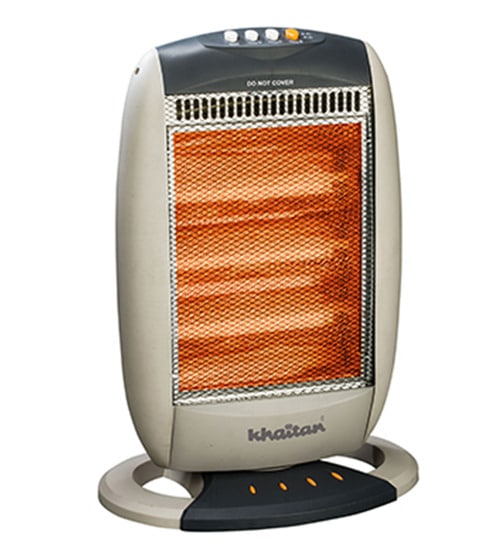
Halogen heaters: They are designed to effectively heat any given surrounding at adjustable temperatures. Glen halogen heaters have 3 heat settings 3 heat setting (400W / 800W / 1200W ) & switches to control the swing.

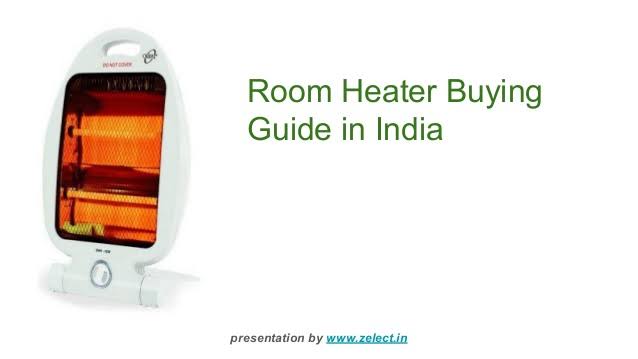
Quartz heaters: These work on radiant technology and are suitable for heating small rooms. The heating filament is within a quartz tube that is heat resistant. Glen quartz heaters come with 2 heat settings (400W / 800W).

17 Ways To Keep Your Home Warm Without Blasting The Heat

If we kept our homes as warm as we liked all winter, our energy bills would cost approximately $1 billion dollars. Although turning up the thermostat is tempting, just a few extra degrees can cripple your bank account. Luckily, there are many cheap, natural ways to heat your home that don’t involve blasting space heaters.

From lining your windows with bubble wrap to changing your ceiling fan’s direction, these heating hacks will get you through the winter intact. 

  • Caulk your window frames.Halfpoint via Getty ImagesApply caulk to seal off air leaks around windows. Caulk only costs a few bucks and can add up to major savings on your energy bill.
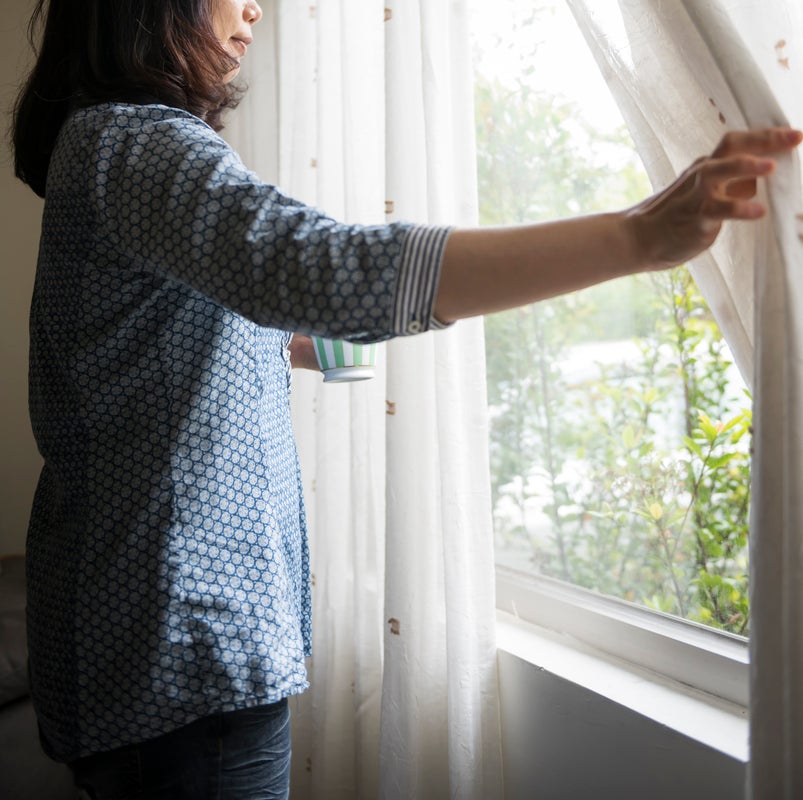
  • If it’s sunny out, open the curtains.
                    
                Leren Lu via Getty ImagesSunlight provides plenty of natural warmth on a cold day.
  • When the sun sets, close your curtains.
                    
                photographer, loves art, lives in Kyoto via Getty ImagesWithout sunlight, heat escapes back the way it came – through your windows. Use heavy thermal curtains to trap heat in your home.
  • Put down plush area rugs on hardwood or tile floors.Robin Lynne Gibson via Getty ImagesRugs and carpets keep heat from escaping through your floorboards. They’re also warmer to walk on than hardwood or tile floors.
  • Shower with the door open.Dougal Waters via Getty ImagesLeaving the door open while you shower lets warm, steamy air travel through the rest of your house.
  • Use a fireplace plug to keep warm air from escaping through your leaky chimney damper.

    Up to 20 percent of your home’s warm air can leak out through a rusty or loose fireplace damper. Inflate a fireplace plug to seal the flue.
  • Add more insulation.Steven Puetzer via Getty ImagesIf you live in an older home, consider adding insulation to your walls and attic.Installing insulation is certainly an investment, but it pays for itself in reduced energy bills.
  • Sleep with a hot water bottle at the foot of your bed.
                    
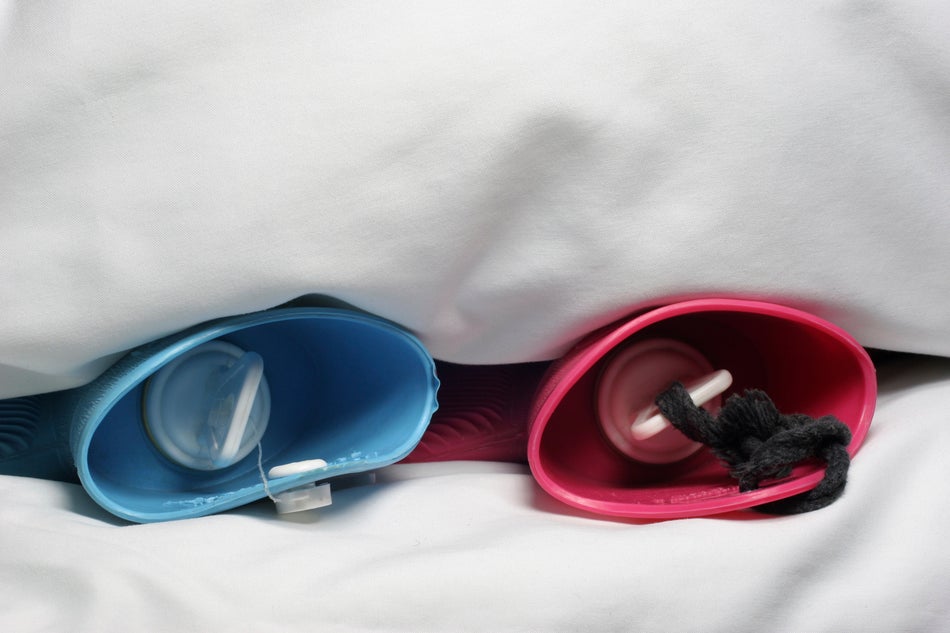
                Martin Konopka via Getty ImagesWe may be throwing it way, way back, but these things really work. Pour boiling water into a hot water bottle and slip it under the blanket at the foot of your bed. You’ll have toasty toes all night long.
  • When you’ve finished baking, leave the oven door open for a cozy kitchen.grase via Getty ImagesOnce you’re done using the oven, turn it off and leave the door open. All that wonderfully warm air will heat your kitchen.
  • Keep cold air from seeping underneath the door with a draftstopper.Bed Bath & BeyondFill in the gap between your door and the floor with an insulating draftstopper. You can buy one here or make your own!
  • Insulate your windows with bubble wrap.DanaK~WaterPenny/FlickrPut bubble wrap on your windows to cut heat loss in half. It’s not the most attractive option, but it will save you money on your energy bill.
  • Close off any unused rooms.Photography by Andrew Mwai via Getty ImagesThe larger your home is, the more expensive it is to heat. If you have an empty guest room or storage space, close the door and seal it with a draftstopper. You won’t waste money heating a room you don’t use. 
  • Reverse your ceiling fan’s direction.tunaly via Getty ImagesCeiling fans rotate in a counterclockwise fashion to push air downward and create a draft. During the winter, reverse your fan’s rotation to push cool air upward and mix with the rising heat. The mixed air will then spread downward, making your room feel warmer. 
  • Snuggle up with flannel sheets.AmazonKeep warm on winter nights with flannel sheets and a thick comforter.
  • Invest in a programmable thermostat.
  • 
                    
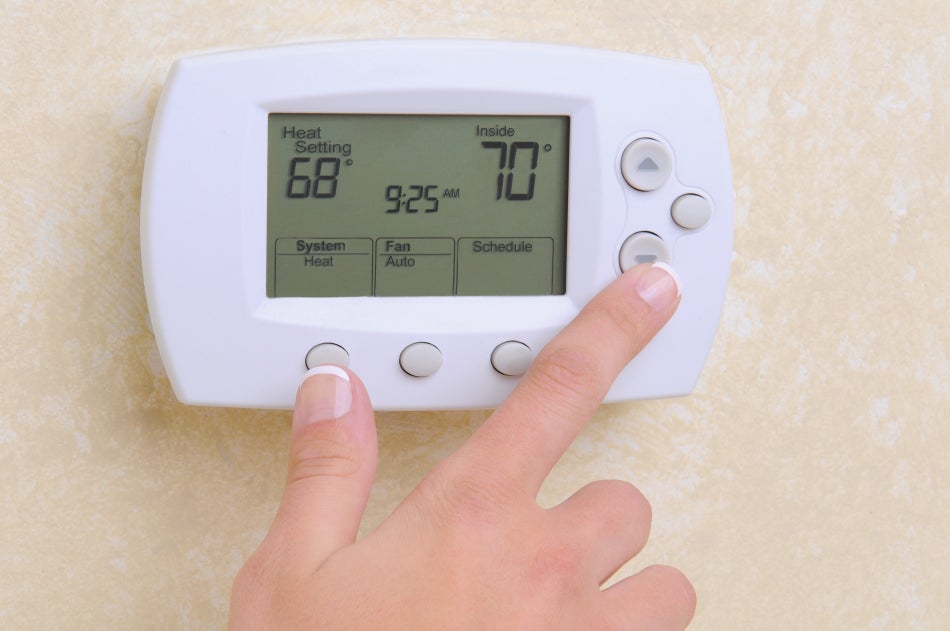
                Scukrov via Getty ImagesYou can save up to 10 percent a year on heating and cooling costs by using a programmable thermostat. Set your thermostat 7-10°F cooler for the hours you’re away at work
  • you can also use room heaters.

Reasons to Replace Your Water Heater

Reasons to Replace Your Water Heater

There are a few things you should look for to help you determine if you need to replace your water heater. Of course, if it isn’t working, it’s a no-brainer. But you may think it’s working just fine and really you’ve long needed a replacement. If you’re wondering if you should upgrade, consider this:

1. Your Warranty is Out

One good way to know that it may be time for an upgrade is when you’ve surpassed your 12-year warranty by a few years. Not only do you no longer have coverage for fixing your water heater if any sudden damages occur, but chances are your water heater’s design is pretty outdated and is using way more energy than necessary. This could be costing you tons of excess money every month without you noticing. If your water heater has lived long past its life expectancy, it may be time to toss it out and replace it with an upgrade.

2. Your Water Heater is Leaking

Usually, when your water heater is leaking, you’ll need a plumber to fix the issue. This can be really costly and time-consuming. Sometimes, water heater leaks can be hard to find, and a lot of water damage can occur before the issue is fixed. If you have a leak, you can have a plumber look at it. If it’s bad enough, you’ll probably be better off buying a new water heater instead of paying to fix the leak.

3. You Run Out of Hot Water When You Need It

If you find that you are frequently taking lukewarm showers or running out of hot water while doing the dishes, you may not have a water heater big enough to surmount the hot water volume your family uses. This means you may need an upgrade to a water heater with a bigger tank.

4. Your Building Codes Changed

Another reason you may need a new water heater is if it no longer fits your community’s building codes. You should check your local building codes regularly and, if you’ve moved states, you may have different building codes than before. If your building codes have changed, your water heater may need to as well.Go to top

C. What to Consider When Choosing a Water Heater

1. Warranty:

Water heater warranties can vary greatly both in cost and length. Because your water heater is such an integral part of your family’s day to day life, you should always pay close attention to the warranty terms when choosing a new water heater. In the event that it is damaged, you may be able to get a new one without shelling out thousands of dollars on demand. Warranty ranges are typically around 2–10 years, but you can find manufacturers who offer up to a 12-year warranty. If you own your home, you might consider a longer warranty, even if you must pay a bit extra, to avoid any surprise costs in the future. Because water heaters can break, and they are so important, we suggest you choose the longest warranty available.

2. Drain Valves: Plastic or Brass?

The drain valve is located near the bottom of your water heater and is used to drain the water heater before maintenance or to make it easier to lift while moving it. This valve is typically either made of brass or plastic. In the event that you need to replace your water heater drain valve, or you are purchasing a new water heater, you will need to decide which type to use. Both plastic and brass are particularly cost-efficient options. Plastic may be less reactive, although neither material is corrosive. Brass is much more durable than plastic, and also more malleable, so it will take more damage. Brass is not affected by temperature change like plastic may be. This is not a huge decision, but it is still one you will need to make.

3. Anti-Scale Devices:

Mineral scale can cause damage to your water heater and other water-consuming appliances. Certain manufacturers include anti-scale devices in their water heater. This device moves the water at the bottom of the tank. The constantly moving water is less prone to mineral build-up, which can increase the lifespan of your water heater. This feature may work, but there are other factors besides mineral build up that can damage your water heater. It is not necessary to purchase a water heater with an anti-scale device and, with a lengthy warranty, you probably don’t need one.

4. Glass-Lined Tanks:

You may notice that some water heaters include a glass lining inside them. This lining is actually porcelain enamel and the coating helps to protect the water heater (which is usually made from steel) from corrosion. The enamel coating can do wonders in extending the life of your water heater but, due to the coating process, areas of steel are most often still left exposed. The ceramic enamel coating is becoming more and more popular and may even be a standard design for some manufacturers today. Again, this is not a necessary inclusion, but it could definitely slow down the corrosion process inside your water heater tank.

5. Digital Displays:

Water heaters with digital displays are convenient because you can easily adjust your water heater settings to fit your personal needs. You can easily adjust the output of your water heater, the water temperature, and some models even have a scheduling feature, which allows you to input the hours your house is occupied in order to increase the energy efficiency of the water heater by shutting off when you’re away. Water heaters without the digital display will often only show basic readings, like overall temperature and water pressure. The digital display is definitely a modern water heater feature you want.

6. Capacity: 

Determining the capacity of your water heater tank depends solely on the number of people using water in your house. It can be difficult to determine how large of a tank you will need since each person’s water usage may vary greatly. You can use the first-hour rating (FHR) to help determine the water heater size your family needs. To calculate your family’s FHR, count the number of people in your home and multiply by twelve. This means that a family of four has an FHR of 48 gallons. You can check the FHR of your water heater to determine if it will heat enough water for your home. Here is another good rule of thumb:

If your home only has one or two people, a 30-gallon tank should be sufficient.

  • If your home has two or three people, you may need a 40-gallon water heater tank.
  • If your home has three to four people, you should opt for something larger, around 40–50 gallons.
  • For more than five people, you should consider a tank that holds 55 gallons or more.
  • For eight people or more, you may need two water heaters to supply enough hot water to your home.

Of course, for tankless water heaters, you will need to use your FHR to determine what size to buy.Go to top

D. Where to Buy Your Water Heater

You don’t usually run into a huge “Water Heaters For Sale” sign every time you go to your local grocery market, and if you’ve never bought a water heater before, you may not know where to look. Luckily, you have a few options:

1. Your Local Hardware Store

Sometimes, local family-owned hardware stores will have a small selection of water heaters. If not, they may know exactly where to get the one you need and can probably order it for you. Of course, you will have to wait for shipping. They probably offer delivery for a small fee, too.

2. Home Improvement Stores

If you have a chain home improvement store near you, you can rest assured they have a pretty big selection of water heaters available. When buying a water heater from a home improvement store, you will have expert staff available to help you make your decision.

3. Check the Web

You can usually order from your local home improvement store online and have a geyser shipped to you. You can also check Amazon—especially if you need a smaller water heater.
Instant Water Heater Advantages And Disadvantages

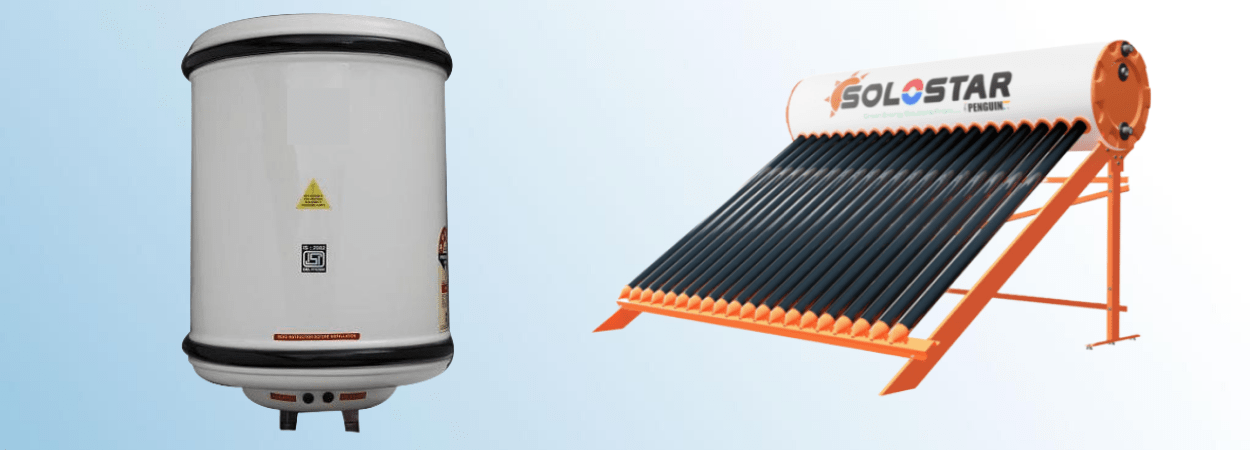
Tankless or on-demand water heaters heat water only when it’s needed, eliminating the need for a storage tank and the standby losses associated with constantly maintaining a tank full of hot water.


Most tankless water heaters have a life expectancy of about 20 years, much longer than any conventional tank-type water heater. They also eliminate the risk of tank leaks and water damage. 

How It Works

When you turn on the hot water tap, cold water is drawn through a pipe into the unit and heated either by an electric heating element or a gas burner. The hot water never runs out, but the flow rate may be limited. Tankless water heaters typically deliver hot water at a rate of 2 – 5 gallons per minute. Gas-fired models will generally have higher flow rates than electric models.

Tankless Water Heater Types

There are two basic types of tankless water heaters – small units that are usually installed right at or near the point-of-use and larger ones that are capable of serving an entire house. The smaller models can reduce or eliminate heat losses through piping (in addition to eliminating standby losses from a tank), but multiple units are usually needed to serve an entire house. They can be very useful for supplementing a regular water heater for a bathroom or other point-of-use located far from the main water heater. 
In addition to eliminating losses through long runs of piping, they can save the time and water that’s wasted waiting for the water to get hot. 

Larger “whole house” tankless water heaters can provide hot water for multiple points-of-use in the home. While these units eliminate the heat losses from a storage tank, there will still be some losses through the hot water piping unless it is insulated. 

Advantages and Disadvantages 

Advantages to on-demand water heating include: 

  • Tankless water heaters are compact in size, taking up less space than conventional tank type water heaters.
  • They can virtually eliminate standby losses – energy wasted when hot water cools down in long pipe runs or while it’s sitting in the storage tank.
  • By providing hot water immediately where it’s used, tankless water heaters waste less water. You don’t need to let the water run as you wait for hot water to reach a remote faucet.
  • A tankless water heater can provide unlimited hot water as long as it is operating within its capacity.
  • Expected life of tankless water heaters is 20 years, compared to 10 to 15 years for tank type water heaters.

Disadvantages include:

  • Tankless water heaters usually can’t supply enough hot water for simultaneous uses such as showers and laundry.
  • Unless the system is equipped with a modulating temperature control, it may not heat water to a constant temperature at different flow rates. That means that water temperatures can fluctuate uncomfortably – particularly if the water pressure varies in different parts of the house.
  • Electric tankless water heaters require a relatively high electric power draw because water must be heated quickly to the desired temperature. In some cases the home’s electric service may need to be upgraded.
  • Tankless gas water heaters must be vented to the outdoors, either with a direct vent or conventional exhaust flue.
  • If a gas-powered unit has a pilot light, it can waste energy (with a conventional water heater, the pilot heats the water in the tank so it isn’t really wasted).

Cost and Savings

Tankless water heaters range in price from $200 for a small under-sink unit up to $1000 for a gas-fired unit that delivers 5 gallons per minute. But a tankless unit can last up to twice as long as a conventional storage type geyser, saving on replacement costs. By eliminating standby losses from the tank and minimizing losses from hot water piping, tankless water heaters may be able to cut your water heating energy costs by 10-15%.

Room Heater Safety Tips

Heating equipment is the second leading cause of home fires in the United States. More than 65,000 home fires are attributed to heating equipment each year. These fire result in hundreds of deaths, thousands of injuries and millions of dollars in property damage. 
 
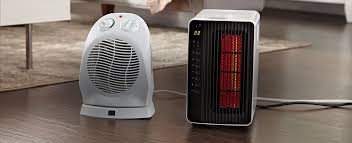
Portable electric space heaters can be a convenient source of supplemental heat for your home in cold weather. Unfortunately, they can pose significant fire and electric shock hazards if not used properly. Fire and electrical hazards can be caused by space heaters without adequate safety features, space heaters placed near combustibles, or space heaters that are improperly plugged in.
 
Safety should always be a top consideration when using space heaters. Here are some tips for keeping your home safe and warm when it’s cold outside:

  • Make sure your space heater has the label showing that it is listed by a recognized testing laboratory.
  • Before using any space heater, read the manufacturer’s instructions and warning labels carefully.
  • Inspect heaters for cracked or broken plugs or loose connections before each use. If frayed, worn or damaged, do not use the heater.
  • Never leave a space heater unattended. Turn it off when you’re leaving a room or going to sleep, and don’t let pets or children play too close to a space heater.
  • Space heaters are only meant to provide supplemental heat and should never be used to warm bedding, cook food, dry clothing or thaw pipes.
  • Install smoke alarms on every floor of your home and outside all sleeping areas and test them once a month.
  • Proper placement of space heaters is critical. Heaters must be kept at least three feet away from anything that can burn, including papers, clothing and rugs.
  • Locate space heaters out of high traffic areas and doorways where they may pose a tripping hazard.
  • Plug space heaters directly into a wall outlet. Do not use an extension cord or power strip, which could overheat and result in a fire. Do not plug any other electrical devices into the same outlet as the heater.
  • Place space heaters on level, flat surfaces. Never place heaters on cabinets, tables, furniture, or carpet, which can overheat and start a fire.
  • Always unplug and safely store the room heater when it is not in use.

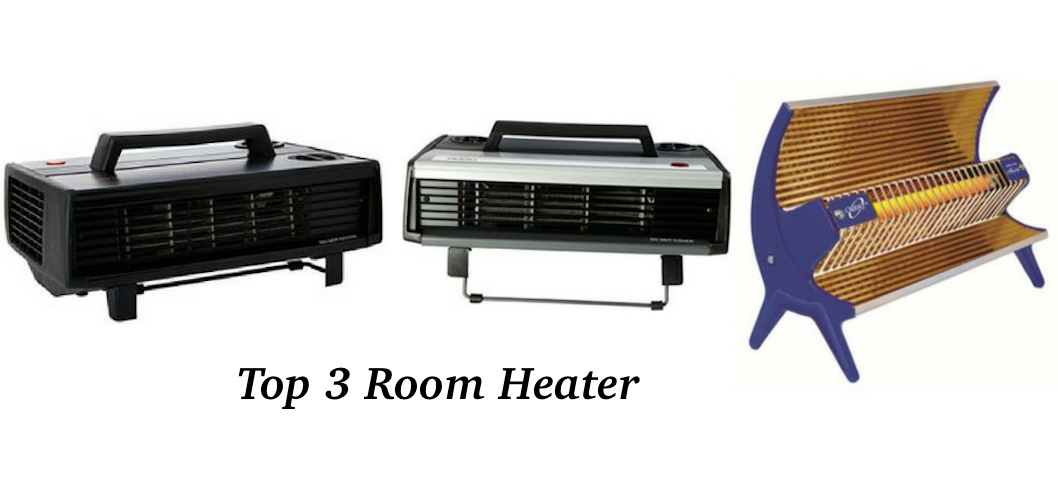
Top 3 Best Room Heaters to Buy in 2020

Winter is here and the days are getting smaller, accompanied by chilly winds in the evenings. One of the most desirable appliance in such weather is a room heater. Room Heaters are available online; however it becomes difficult to choose the best room heater online.

That’s why we’ve done all the efforts to compile this comprehensive review for you. We have made it easy to navigate by dividing the article into two parts. The first part is where we listed down the five best room heaters in the market which are available online in India. The second part is where all the pertinent information when it comes to buying the best room heaters can be found.

Bajaj Delux 2000-Watt Room Heater (Cream)

Bajaj Delux lets you enjoy the respite from the heat during winters. It keeps the chill at bay and keeps the room warm. It also provides many safety measures that prevent any mishaps.

It comes with a range of Oil-Filled Radiators (OFR) and Fan/Blower to PTC and Radiant Heaters.

Key Features

  • The heater has two heat settings of 1000 Watts and 2000 Watts.
  • It comes with adjustable thermostat for desirable temperature.
  • It comes with stainless steel reflector.
  • The warranty on the product is of 2 years.
  • It has a wattage of upto 2500 W.
  • The length of the wire is nearly 1m.
  • It is made up of metal body and comes with many measures that prevent mishaps.

Things We Like

  • It ensures your rooms are warm during winters.
  • It is a good quality product.
  • It comes with many safety features.
  • It keeps the chill at bay.

Bajaj Minor 1000-Watt Room Heater (Cream)

In winters, there is no choice than the Bajaj room heater. Bajaj is one of the reputed brands that establish the quality of the material used in their products.

The attractive feature is the minimal amount of time taken to warm your room. It consumes less power that lets you save on and lower your electric bills.

With adjustable legs, you’ll be happy to keep yourself warm this winter. Bajaj Room Heater is an excellent way to stay warmed on the chilled days.

Key Features

  • It has compact size and utilises minimum space. It fits in any decor of your kitchen.
  • The number of features with effective heating makes this minor heater a useful option.
  • It comes with 2 years warranty on the product.
  • Its rated voltage is of 230 volts.
  • With an adjustable height, it makes this heater convenient and keeps your home warm for a longer period of time.
  • With the special reflecting surface, it is ideal for uniform heat distribution.
  • It has a nickel chrome plated mesh grid and bright nickel chrome plated reflector.
  • A single heating element is one of the most striking features of this heater. This heating element is useful in chilled temperatures.

Things We Like

  • It is an ISI certified product for your safety.
  • It is more convenient as compared to conventional heaters.
  • Due to its design, you can keep this heater in any room.
  • It is an ideal option for small families upto 150 sq ft.

Bajaj Blow Hot 2000-Watt Room Heater (Cream)

Bajaj Blow Hot is another excellent product from Bajaj. Its thermal cut-off switch prevents overheating if the thermostat fails. Its stand is designed to give both upward and downward flow of warm air.

You can use the Bajaj room heater as forced air circulation, drier or a room heater. Its compact design makes the heater user-friendly and portable. Switching on the fan before turning on the heating element distributes heat quickly over the large area. It is one of the Best Room Heater in India which comes in your budget.

The neon indicator indicates that the heater is on. You can use the Bajaj room heater as a fan during the summers. Its various applications and useful build make it a perfect room heater for winter season.

Key Features

  • It has 2 heat settings in 1000 Watts and 2000 Watts. You can change this setting as per your comfort.
  • The product comes with the warranty of 2 years.
  • It is suitable for the room-size up to 250 sq feet.
  • With the built-in AC power, it allows it to be connected to the AC power supply in buildings and at other sites.
  • Its motor operates at the maximum power of 50 Watts AC with 230 volts.
  • The heater consists of a thermostat that lets users maintain the required temperature by tweaking the average power.

Things We Like

  • It has an adjustable thermostat for desirable temperature.
  • It has a compact-design.
  • It is suitable to be plugged into all sorts of sockets.
  • It provides ideally regulated airflow and provides noiseless operation.

How to Maintain A Water Heater in 3 Easy Steps

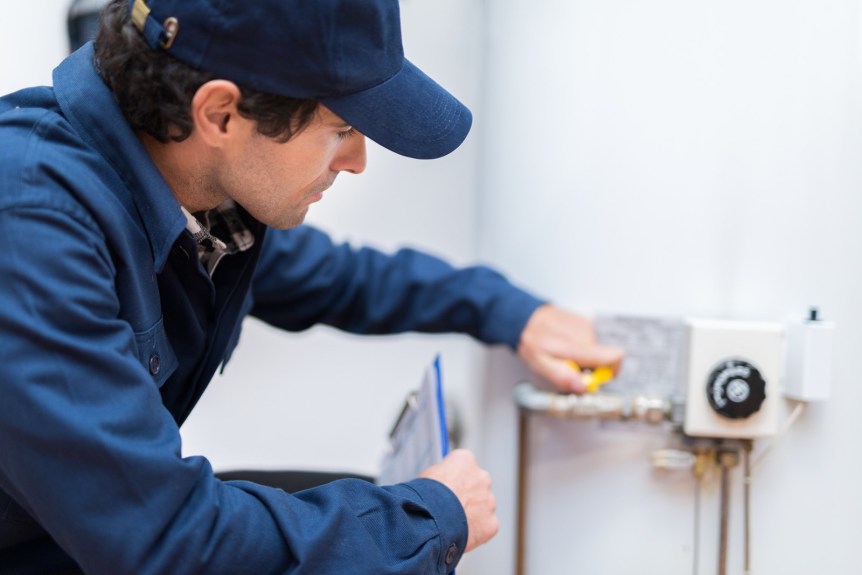
  • Servicing a Water Heater Jodi Jacobson / Getty ImagesA water heater typically lasts between 8 and 12 years, but only if it is maintained properly. A simple three-step annual maintenance plan will extend the life of the water heater.If you’re just going through routine servicing, there’s no need to call a professional to complete the job for you. With a screwdriver and a bucket, a homeowner can usually complete servicing the water heater on their own. Before you start, turn off the power (for electric water heaters) or the gas supply (for gas heaters) for safety:
    • Electric: Switch off the circuit breaker for the water heater in your home’s service panel (breaker box).
    • Gas: Turn the pilot knob (located on the water heater’s gas valve/thermostat) to the OFF position.
  • 02of 04Do a Mini-Flush 2009 Home-Cost.comPrevent rust and corrosion by removing sediment from the bottom of the tank, a task that also improves the energy efficiency of the unit. Although a complete flush of the water heater tank is best, it requires shutting down the water heater. A mini-flush works well, takes a fraction of the time, and can be done while the water heater is running:
    1. Place a bucket under the drain valve found near the bottom of the water heater tank.
    2. Turn the valve counterclockwise to release 1 to 2 gallons of water into the bucket. Some drain valves have a handle, while others have a short stem with a slot for a flathead screwdriver. Warning: The water will be very hot, so take care to avoid burning yourself.
    3. Close the valve by turning it clockwise.If the valve won’t open, contact a plumber to perform maintenance.
  • 03of 04Test the T&P Valve 2009 Home-Cost.comThe temperature and pressure (T&P) relief valve is a critical safety feature of your water heater. It senses dangerous pressure buildup or excessively high temperature inside the water heater tank and automatically opens to relieve the pressure. Without an operational T&P valve, a water heater is at risk of explosion. Therefore, water heater manufacturers recommend testing the T&P valve once per year.The T&P valve might be located at the top of the heater tank or in the side wall, and it has a discharge tube that extends down toward the base of the tank. To test the valve:
    1. Place a bucket under the end of the discharge tube connected to the T&P valve.
    2. Lift up on the lever of the valve to open the valve manually. This will release hot water through the discharge tube and into the bucket. Warning: The water is very hot, so take care to avoid skin contact.
    3. Let the water flow for a few seconds, then let go of the lever and allow it to snap back into place, shutting off the water.If the T&P valve does not open and release water,​ or if it leaks after the test, the valve must be replaced.
  • 04of 04Dial Down the Temperature 2009 Home-Cost.comWater heaters are typically installed at a preset temperature of 130 to 140 degrees Fahrenheit. However, the U.S. Department of Energy recommends a setting of 120 F for most households, estimating that this can reduce energy costs for water heating by more than 5 percent. Lower temperatures also reduce the risk of scalding and slow the accumulation of mineral deposits in your water heater tank.To lower the water temperature on a gas water heater, turn the temperature dial on the heater’s gas valve to 120 F.To lower the water temperature on an electric water heater, you might need to remove a small metal panel covering the thermostat:
    1. Turn off the power to the water heater by switching off the appropriate breaker in your home’s breaker box.
    2. Remove the thermostat access panel and adjust the temperature to the desired setting. This might require a flathead screwdriver.
    3. Replace the thermostat cover and turn the power back on at the breaker box.Many electric water heaters have both an upper and a lower thermostat. If yours has two, adjust the lower thermostat to the same temperature setting as the upper.

Electric Space Heater Safety

Do you use an electric space heater to add extra warmth to your home? Before you rely on a space heater to keep your home warm, there are some important safety factors to consider. Space heaters account for two of every five (40%) of home heating fires, reports the National Fire Protection Association.

In general, small space heaters should only be used as a temporary heating solution when a main heating system is broken or not operating efficiently. At times, they are used when central heating costs too much to operate.

In some cases, small space heaters can be less expensive to use if you only want to heat one room or supplement inadequate heating in one room. They can quickly boost the temperature of rooms used by individuals sensitive to cold, such as the elderly, without increasing strain on the furnace that heats your entire home.

Electric space heaters are generally more expensive to operate than other varieties, but they are the only vent-free space heaters that are safe to operate inside your home. While electric space heaters do not pose a carbon monoxide risk, they still present burn and fire hazards.

When buying and installing an electric space heater, you should always follow these safety guidelines from Energy.gov:

Electric heaters should be plugged directly into the wall outlet.

  • If you must use an extension cord, use the shortest possible heavy-duty cord that is 14-gauge wire or larger.
  • Buy a unit with a tip-over safety switch, which automatically shuts off the heater if the unit is tipped over.
  • Only purchase newer model heaters that have all of the current safety features. Look for the Underwriter’s Laboratory (UL) label on the heater.
  • Do not purchase over-sized heaters for the room you wish to heat (most room heaters come with a general sizing table).
  • Place the heater on a level surface away from foot traffic. Be especially careful to keep children and pets away from the heater.

Heating Efficiency

Do you find yourself relying on space heaters more and more? Your furnace might not be operating up to par. Give our associates at One Hour Heating & Air Conditioning a call. We can evaluate your existing heater’s performance to make sure it’s not draining your electric bill. Count on them to make any necessary repairs or upgrades to keep you warm and toasty all winter long!

Design a site like this with WordPress.com
Get started